Taming an overgrown hedge with stubborn, thick branches can quickly turn a peaceful gardening task into a frustrating ordeal. If you’ve ever wrestled with a standard hedge trimmer only to find its blades jamming or bending against unyielding wood, you know the importance of specialized equipment. For homeowners and professionals facing the challenge of robust shrubbery, a powerful hedge trimmer designed for thick branches is not just a luxury, but a necessity. This comprehensive guide, crafted from over a decade of hands-on experience, will navigate you through the world of heavy-duty hedge trimmers, helping you pinpoint the ideal tool to maintain even the most formidable hedges with ease and precision.
An Overview of Hedge Trimmers
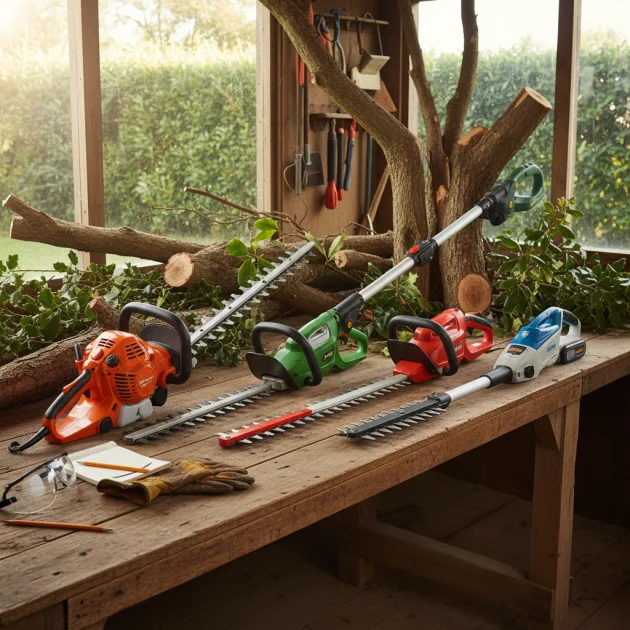
A hedge trimmer is an essential power tool specifically engineered for maintaining, shaping, and cutting hedges, shrubs, and bushes. What began as simple manual shears has evolved into a range of sophisticated machines, significantly reducing the physical effort and time required for yard work. Modern hedge trimmers are designed to deliver clean, efficient cuts, transforming unruly greenery into well-manicured landscapes. Their primary function is to trim foliage and small to medium-sized branches, promoting healthy growth and aesthetic appeal.
Historically, hedge trimming was a labor-intensive task, relying on manual shears or axes for thicker growth. The advent of internal combustion engines and, later, electric motors revolutionized this process, introducing gas-powered and corded electric hedge trimmers. These early innovations offered greater power and speed, making large-scale hedge maintenance feasible for the first time. The most recent and arguably most impactful evolution has been the widespread adoption of battery-powered cordless models, which blend convenience and portability with increasingly impressive cutting power, even for demanding tasks involving thick branches. This ongoing technological advancement means today’s gardeners have access to tools that are more powerful, efficient, and user-friendly than ever before.
Detailed Classification of Hedge Trimmers
Understanding the different types of hedge trimmers available is crucial, especially when your primary concern is cutting through thick, woody branches. Each category offers distinct advantages and limitations regarding power, mobility, and maintenance.
By Power Source
The power source dictates much of a hedge trimmer’s performance, particularly its ability to tackle demanding tasks.
Corded Electric Hedge Trimmers
Corded electric hedge trimmers are typically lightweight and quieter than their gas counterparts, making them ideal for smaller yards and routine maintenance. They offer unlimited runtime as long as they are plugged into an outlet, eliminating concerns about battery life or fuel. However, their primary drawback is the tether of an extension cord, which limits mobility and poses a potential safety hazard. For very thick branches, corded models often lack the raw power of gas or high-voltage cordless options. While they can handle general trimming, their cutting capacity for dense, woody growth is generally more limited, often topping out at around 3/4 inch.
Battery-Powered (Cordless) Hedge Trimmers
Cordless hedge trimmers, powered by lithium-ion batteries, have become the most popular choice for many homeowners due to their unparalleled freedom of movement and reduced noise levels. Advances in battery technology have significantly boosted their power and runtime, making high-voltage models (e.g., 40V, 56V, 60V) increasingly capable of handling thicker branches. Many modern cordless trimmers can now cut branches up to 1 inch, and some even up to 1.25 inches, rivaling the performance of lighter gas models. They are eco-friendly, require minimal maintenance, and often integrate into broader battery ecosystems, allowing a single battery to power multiple tools. However, their runtime is limited by battery capacity, and spare batteries can be an additional cost.
Gas-Powered Hedge Trimmers
Gas-powered hedge trimmers are traditionally considered the most powerful option, making them the go-to choice for professional landscapers and those with extensive, mature hedges featuring very thick branches. They offer unrestricted mobility and can operate for extended periods with a simple refuel. Their robust engines are designed to chew through the toughest, densest growth with ease, often boasting cutting capacities well over 1 inch. The trade-offs include higher noise levels, heavier weight, exhaust emissions, and more intensive maintenance requirements, such as fuel mixing, spark plug changes, and air filter cleaning. Despite the rise of powerful cordless alternatives, gas models still hold an edge for sheer, continuous heavy-duty performance.
By Blade Design
The design of a hedge trimmer’s blade is a critical factor determining its cutting efficiency and capacity. While there are subtle variations, the key differentiator for thick branches lies in the tooth gap or cutting capacity.
- Single-Action Blades: These blades have teeth on only one side, with one blade moving against a stationary one. They are less common for modern power trimmers and generally less efficient for thicker material.
- Dual-Action Blades: The most common design, dual-action blades feature two reciprocating blades with teeth, moving in opposite directions. This motion significantly reduces vibration and allows for faster, cleaner cuts. Many high-performance trimmers for thick branches utilize this design.
- Laser-Cut, Diamond-Ground Blades: These terms indicate a high-quality manufacturing process, resulting in sharper, more durable blades that provide cleaner cuts and better resistance to dulling, which is particularly beneficial when tackling woody stems.
For effectively cutting thick branches, the most crucial specification is the tooth gap or cutting capacity – the maximum diameter of material the blades can accommodate. For standard hedges with twiggy growth, a tooth gap of 1/2 to 3/4 inch (15-20mm) is sufficient. However, for mature, woody hedges with substantial branches, you need a trimmer with a tooth gap of at least 1 inch (25mm) or wider. Some heavy-duty models boast capacities up to 1.25 inches (30mm) or more, specifically engineered to slice through dense growth without jamming or causing damage to the plant or the tool. Some blades also incorporate a “sawing function” area, designed to assist with cutting exceptionally thick stems.
Comparative Table of Hedge Trimmer Types
Choosing the right hedge trimmer for thick branches means balancing power, convenience, and cost. Here’s a detailed comparison of the main types:
| Feature | Corded Electric Hedge Trimmer | Battery-Powered (Cordless) Hedge Trimmer | Gas-Powered Hedge Trimmer |
|---|---|---|---|
| Power | Moderate; struggles with very thick branches | High; excellent for thick branches (high voltage models) | Very High; best for continuous heavy-duty cutting |
| Cutting Capacity (Thick Branches) | Up to 3/4 inch (20mm) typically | 3/4 inch to 1.25 inches (20-30mm+) | 1 inch to 1.5 inches (25-38mm+) |
| Weight | Lightest | Medium (depends on battery size) | Heaviest |
| Noise Level | Low | Low to Moderate | High (requires hearing protection) |
| Vibration | Low | Low to Moderate (many models feature anti-vibration) | Moderate to High (can be tiring) |
| Price | Lowest initial cost | Moderate to High (consider battery/charger cost) | High initial cost |
| Flexibility | Limited by cord length | Excellent; unrestricted mobility | Excellent; unrestricted mobility |
| Run Time | Unlimited (with power source) | Limited (30-90 minutes, depending on battery/load) | Long (limited only by fuel capacity) |
| Maintenance | Very Low (blade cleaning) | Low (battery charging, blade cleaning) | High (fuel mixing, spark plug, air filter, oil, general engine) |
| Emissions | Zero direct emissions | Zero direct emissions | High (exhaust fumes) |
| Best For | Small yards, light/medium hedges, occasional use, smaller branches | Medium to large yards, regular use, significant thick branches | Large properties, professional use, very thick/dense branches |
Buying Guide: Key Criteria for Selecting a Hedge Trimmer for Thick Branches
Choosing the right hedge trimmer for thick branches involves more than just picking the most powerful model. A thoughtful evaluation of your specific needs, budget, and the tool’s features will ensure you make a smart investment.
Assess Your Needs
Before diving into specifications, consider the scope of your trimming tasks.
- Area of Hedge to Trim: For extensive, long hedges, a longer blade might be more efficient, reducing the number of passes. However, longer blades can be heavier and harder to maneuver in tight spaces.
- Type and Hardness of Hedge Material: This is paramount for thick branches. Woody plants like holly, privet, conifers, or overgrown deciduous shrubs require a trimmer with a robust motor and a generous cutting capacity to avoid stalling or damaging the blades. Softer, newer growth can be handled by almost any trimmer.
- Frequency of Use: If you only trim once a season, a gas model with higher maintenance might be acceptable. For regular, frequent use, a low-maintenance cordless electric model could be more practical, provided it has the power for your thick branches.
Budget Considerations
Hedge trimmers vary widely in price, influenced by power source, brand, features, and cutting capacity.
- Entry-Level (Under $150): Primarily corded electric or lower-voltage cordless models. May handle thinner branches but will struggle with thick, woody growth.
- Mid-Range ($150 – $300): This is where you’ll find powerful cordless options (40V-60V) and some consumer-grade gas models that can tackle moderately thick branches (up to 1 inch). This segment offers the best balance of value and performance for most homeowners with demanding hedges.
- High-End ($300+): Professional-grade gas trimmers and top-tier cordless systems with the highest cutting capacities, advanced features, and durable construction. These are designed for continuous heavy use and the thickest branches (1.25 inches and above). Remember to factor in the cost of batteries and chargers for cordless systems, as these are often sold separately.
Important Features for Thick Branches
When focusing on challenging, thick branches, specific features become non-negotiable.
- Blade Length: While longer blades (24-26 inches or 60-65cm) cover more area per pass, making quick work of large hedges, they can also increase the tool’s weight and reduce maneuverability for intricate work. For thick branches, a balance between length and control is key.
- Tooth Gap (Cutting Capacity): This is arguably the most critical feature. For anything beyond thin twigs, look for a minimum tooth gap of 1 inch (25mm). Many top models designed for thick branches offer 1.1, 1.2, or even 1.25 inches (30-32mm) to effortlessly slice through dense, woody stems. A wider gap directly translates to the maximum branch diameter the trimmer can handle.
- Motor Power (Voltage/CC):
- Cordless: For battery-powered trimmers, higher voltage (e.g., 40V, 56V, 60V) generally means more power and better performance on thick branches. Brushless motors are highly recommended as they provide more torque, greater efficiency, and a longer lifespan.
- Gas: Engine displacement (measured in cubic centimeters, or CC) indicates power. Higher CCs typically equate to more power for tackling the toughest jobs.
- Weight of the Machine: Working with thick branches often means extended trimming sessions. A heavy trimmer will lead to fatigue quickly. Look for models that balance power with a manageable weight, especially if you’ll be holding it for long periods or working at awkward angles. Models weighing 7-10 pounds are generally considered manageable for most users.
- Safety Features: Given the power required for thick branches, safety is paramount.
- Two-Handed Start: Many trimmers require both hands to operate, preventing accidental activation.
- Hand Guard: A protective shield between the handle and the blade safeguards your hand from debris and accidental contact with the blades.
- Electronic Brake: Quickly stops blade action upon trigger release, reducing coasting time and potential injury.
- Convenience and Ergonomics:
- Rotating Handles: A multi-position or rotating rear handle allows you to adjust your grip for comfortable cutting at various angles (vertical, horizontal, overhead), reducing strain on your wrists and arms.
- Anti-Vibration System: Reduces operator fatigue, particularly beneficial during long trimming sessions or when cutting through tough, vibrating material.
- Blade Tip Protector: Prevents damage to the blades when cutting near walls or fences.
> “When selecting a hedge trimmer for thick branches, prioritize cutting capacity. Anything less than a 1-inch tooth gap will likely leave you frustrated, forcing you to switch to loppers for larger stems. Invest in power and a wider gap, and your hedges will thank you.” – Admin, ReviewsRain.com
 A powerful hedge trimmer effortlessly cutting through thick, woody branches of a large hedge.
Top 5 Best Hedge Trimmers for Thick Branches (2026 Top Picks)
For homeowners and landscapers needing to tackle substantial, woody hedges, these hedge trimmers stand out in 2026 for their impressive power and cutting capacity.
1. Milwaukee M18 Fuel 24-Inch Hedge Trimmer (Model 3033-20)
Overview: The Milwaukee M18 Fuel 3033-20 is a robust cordless option that consistently earns top marks for its sheer power and ability to slice through exceptionally thick branches. It’s part of Milwaukee’s highly regarded M18 battery platform, known for professional-grade performance.
Key Features for Thick Branches: With an impressive 1-1/4 inch (32mm) cutting capacity, this trimmer excels at tackling even the toughest, woodiest stems that would stall lesser machines. Its powerful brushless motor delivers high strokes per minute (up to 3,200 SPM), ensuring efficient cutting. The 24-inch blade length balances reach with maneuverability.
Pros:
- Exceptional Cutting Capacity: One of the highest capacities in its class, perfect for very thick branches.
- Professional-Grade Power: Delivers reliable performance for demanding tasks.
- Durable Build: Designed for heavy use and longevity.
- Rotating Handle: Five-position rotating handle for ergonomic operation at multiple angles.
Cons: - Heavier than some cordless alternatives.
- Battery and charger sold separately, adding to the initial cost.
2. EGO Power+ HT2600 26-Inch Hedge Trimmer
Overview: The EGO Power+ HT2600 builds on EGO’s reputation for powerful battery-powered outdoor equipment. It offers an excellent combination of reach and cutting power, making it a favorite for larger, more demanding hedges.
Key Features for Thick Branches: This model boasts a substantial 1.2-inch (30mm) cutting capacity, allowing it to easily manage thick branches. The 26-inch blade is among the longest available, ideal for covering large areas quickly and reaching tall hedges. It delivers 3,400 strokes per minute for fast, clean cuts.
Pros:
- Superior Cutting Capacity and Length: Great for thick branches and large hedges.
- High SPM: Ensures quick and efficient trimming.
- Lightweight for its Size: Carbon-fiber rail helps keep the weight manageable.
- Excellent Battery Life: Capable of long runtimes with recommended batteries.
Cons: - The longer blade can be challenging for less experienced users or intricate shaping.
- Battery and charger are typically sold separately.
3. Husqvarna Hedge Master 320iHD60
Overview: The Husqvarna Hedge Master 320iHD60 is positioned as a top-tier cordless hedge trimmer, bringing professional-grade battery power to demanding domestic and light commercial tasks. Husqvarna’s expertise in outdoor power equipment shines through in this model.
Key Features for Thick Branches: While specific cutting capacity details vary, Husqvarna models designed for “Hedge Master” applications are built for robust performance on mature, woody hedges. This 320iHD60 model provides significant power from its 36V system, making it suitable for tackling dense growth and thicker branches effectively.
Pros:
- Robust Battery System: Delivers consistent power comparable to gas for demanding jobs.
- Balanced Design: Engineered for comfortable handling during extended use.
- High-Quality Blades: Ensures clean, precise cuts even on tough material.
Cons: - Premium price point, especially if batteries and charger are needed.
- May not have the absolute highest cutting capacity as some specialized models.
4. Greenworks Pro 60V 26-Inch Brushless Hedge Trimmer
Overview: The Greenworks Pro 60V system is another strong contender in the cordless market, offering impressive power for heavy-duty applications. This 26-inch model is designed to make light work of challenging hedges.
Key Features for Thick Branches: With a commendable 1.1-inch (28mm) cutting capacity, the Greenworks Pro 60V effortlessly handles substantial branches. Its 60-volt motor provides significant torque, and the brushless design maximizes efficiency and power output. The 26-inch blade allows for broad sweeps.
Pros:
- Strong 60V Motor: Excellent power for thick branches and dense foliage.
- Brushless Motor: Enhances durability, efficiency, and runtime.
- Rotating Handle: Offers flexibility for various cutting angles.
- Good Value: Often provides a strong power-to-price ratio within the high-performance cordless category.
Cons: - Can be on the heavier side due to the large battery.
- Slightly slower SPM (3,200 cuts per minute) compared to some rivals, though power compensates.
5. Bosch AdvancedHedgeCut 36V-65-28
Overview: The Bosch AdvancedHedgeCut 36V-65-28 is engineered for demanding jobs, making it an excellent choice for managing overgrown greenery and cutting thicker hedges within a cordless system.
Key Features for Thick Branches: This model boasts a 30mm (approximately 1.2-inch) tooth gap, specifically designed to cut through thick branches and dense hedges with ease. Its powerful 36V motor and 65 cm (25.5-inch) blade length contribute to superior cutting performance. The Bosch Anti-Blocking System is a significant advantage, preventing stalls even when encountering particularly tough material.
Pros:
- High Cutting Capacity: 1.2-inch tooth gap is ideal for very thick branches.
- Anti-Blocking System: Prevents the blades from jamming, ensuring continuous operation.
- Ergonomic Design: Lightweight and well-balanced for prolonged use despite its power.
Cons: - Battery and charger are often separate purchases.
- May be less widely available in some markets compared to North American brands.
 A person wearing safety gear while inspecting the blades of a hedge trimmer before use.
Safe Use and Maintenance of Hedge Trimmers
Even the most powerful hedge trimmer for thick branches requires careful handling and regular upkeep to ensure safety and longevity. Adhering to proper procedures can prevent accidents and extend the life of your valuable tool.
Safety First When Using Hedge Trimmers
Power tools, especially those with sharp, rapidly moving blades, demand respect. Prioritize safety with every use.
- Wear Appropriate Protective Gear: Always wear safety glasses or goggles to protect your eyes from flying debris. Heavy-duty gloves are essential to protect your hands from cuts, scrapes, and vibrations. Long pants and sturdy, closed-toe shoes are also highly recommended. Consider hearing protection, especially when using gas-powered models.
- Inspect the Trimmer Before Use: Before each trimming session, thoroughly check your hedge trimmer. Ensure the blades are sharp and free of damage, all guards are securely in place, and handles are firmly attached. For electric models, check the cord for any cuts or fraying. For gas models, confirm fuel and oil levels are adequate. A pre-use inspection helps identify potential hazards.
- Maintain a Safe Working Environment: Clear the area around your hedges of any debris, rocks, or hidden obstacles that could damage the blades or be flung by the trimmer. Be aware of power lines, fences, and irrigation systems. Ensure bystanders, especially children and pets, are at a safe distance.
- Adopt the Correct Trimming Posture: Maintain a balanced stance, keeping your feet shoulder-width apart. Hold the trimmer with both hands, close to your body for better control. Avoid overreaching, which can lead to loss of balance or control. Always keep the blades away from your body.
- Handle Emergency Situations: In case of an emergency, such as the trimmer binding or an unexpected kickback, immediately release the trigger. For gas models, know how to quickly shut off the engine. If the blades get jammed, turn off the power source and wait for all movement to stop before attempting to clear the obstruction. Never use your hands to clear jams while the trimmer is running or still connected to power.
Regular Maintenance for Longevity
Proper maintenance is key to keeping your hedge trimmer performing at its best, especially when it’s frequently used on thick branches.
- Clean the Blades After Each Use: Sap, resin, and plant debris can build up on the blades, making them sticky and less efficient. Use a stiff brush or a damp cloth to remove residue. For stubborn sap, use a specialized blade cleaner or mineral spirits.
- Lubricate the Blades: After cleaning, apply a light coat of lubricant (such as spray oil or silicone spray) to the blades. This prevents rust, reduces friction, and ensures smooth operation, which is critical for cutting thick branches efficiently.
- Check and Sharpen Blades Regularly: Dull blades tear and damage branches rather than cutting them cleanly, which can harm the plant and strain the motor. Sharpen blades regularly using a file or whetstone, or have them professionally sharpened. Replace any bent or severely damaged blades.
- Inspect and Replace Worn Parts: Periodically check the air filter, spark plug (for gas models), and battery terminals (for cordless models). Replace these components as recommended by the manufacturer. Keep an eye on the housing for cracks and ensure all screws and bolts are tight.
- Store the Trimmer Properly: Store your hedge trimmer in a clean, dry place, away from extreme temperatures and moisture. Use the blade sheath to protect the blades. For gas models, empty the fuel tank or use a fuel stabilizer during off-season storage to prevent fuel degradation. For cordless models, store batteries in a cool, dry place and follow manufacturer guidelines for charging and discharge cycles.
Conclusion
Navigating the array of hedge trimmers to find one capable of tackling thick branches can be daunting, but with the right knowledge, you can make an informed decision. We’ve explored how different power sources—from the robust power of gas to the convenient might of modern cordless electric models—impact performance on dense, woody growth. Key criteria like a generous tooth gap (ideally 1 inch or more), a powerful motor, and ergonomic design are paramount for efficient and comfortable use. Our top picks for 2026, including the Milwaukee M18 Fuel 3033-20 and EGO Power+ HT2600, exemplify the cutting-edge performance needed for demanding hedge maintenance.
Ultimately, investing in a powerful hedge trimmer designed for thick branches will transform your garden upkeep, turning challenging tasks into satisfying accomplishments. Always remember to prioritize safety and consistent maintenance to ensure your tool remains a reliable workhorse for years to come. What kind of thick-branched hedge challenges are you hoping to conquer this season?
Frequently Asked Questions
How thick of branches can a hedge trimmer cut?
Most standard hedge trimmers can cut branches up to 3/4 inch thick. However, models specifically designed for heavy-duty use or thick branches can often cut stems ranging from 1 inch to 1.25 inches (25mm to 32mm) in diameter, with some professional-grade trimmers exceeding this capacity.
Is a gas or electric hedge trimmer better for thick branches?
Historically, gas hedge trimmers offered superior power for thick branches. However, modern high-voltage cordless electric hedge trimmers (40V, 56V, 60V) with brushless motors now rival gas models in cutting capacity for branches up to 1.25 inches, offering a powerful, quieter, and lower-maintenance alternative for many users.
What blade length is best for thick hedges?
For thick hedges, a blade length of 24 to 26 inches (60-65cm) is generally recommended. This length provides good reach for large areas while still offering manageable control. Shorter blades might require more passes, while excessively long blades can be heavier and harder to maneuver accurately on dense growth.
What is a good tooth gap for a hedge trimmer handling thick branches?
A good tooth gap for a hedge trimmer designed to handle thick branches is at least 1 inch (25mm). Many top-performing models feature gaps of 1.1, 1.2, or even 1.25 inches (30-32mm) to ensure efficient and jam-free cutting of woody stems.
Are cordless hedge trimmers powerful enough for professional use on thick branches?
Yes, high-voltage cordless hedge trimmers (e.g., 56V, 60V) equipped with brushless motors have become powerful enough for many professional applications, especially for maintaining hedges with thick branches. They offer significant power, reduced noise, and impressive runtimes, making them a viable alternative to gas for many tasks.
How can I make my hedge trimmer cut thick branches more easily?
To make your hedge trimmer cut thick branches more easily, ensure the blades are sharp and well-lubricated. Always use a trimmer with an adequate tooth gap for the branch thickness. Avoid forcing the blades; instead, use a steady, controlled motion. Some models also feature a “sawing function” area for tougher cuts.
What safety precautions should I take when trimming thick branches?
When trimming thick branches, always wear safety glasses, heavy-duty gloves, and long sleeves. Inspect your trimmer before use, ensure all guards are in place, and keep a firm, two-handed grip. Be mindful of kickback and ensure the area is clear of bystanders and obstacles to prevent accidents.
