Finding a reliable hedge trimmer under $100 primarily means selecting a corded electric model, as these offer consistent power, are lightweight, and require minimal maintenance, making them ideal for small to medium-sized gardens. While cordless options provide greater mobility, their upfront cost, including battery and charger, typically exceeds this budget. Brands like BLACK+DECKER, Greenworks, Sun Joe, and Craftsman consistently offer effective corded electric hedge trimmers within the sub-$100 price range.
Overview of Hedge Trimmers
A hedge trimmer is a powered gardening tool designed to cut and shape hedges, shrubs, and bushes. It typically features a long blade with teeth that move back and forth rapidly, shearing off foliage with ease. These tools significantly reduce the manual effort and time required compared to traditional hand shears, making garden maintenance more efficient and enjoyable. The evolution of hedge trimmers has seen them transition from heavy, gas-powered machines to lighter, more user-friendly electric and battery-operated models, broadening their accessibility for home gardeners.
The primary function of a hedge trimmer is to control plant growth, promote denser foliage, and create aesthetically pleasing shapes. Whether you aim for neat, formal hedges or wish to tame overgrown shrubs, a good hedge trimmer is an indispensable asset. While historically associated with professional landscaping, modern innovations have made these tools lighter, quieter, and more affordable for the average homeowner, proving that a well-kept garden is within everyone’s reach.
Detailed Classification of Hedge Trimmers
Hedge trimmers come in various forms, primarily categorized by their power source and blade design. Understanding these classifications is crucial for selecting a model that aligns with your gardening needs, especially when working with a strict budget.
By Power Source
The power source is arguably the most significant differentiator among hedge trimmers, impacting their weight, mobility, and overall performance.
Corded Electric Hedge Trimmers
Corded electric hedge trimmers are an excellent choice for budget-conscious gardeners. They plug directly into a power outlet, offering consistent, uninterrupted power. These models are typically the lightest and most affordable on the market, often falling well within the under-$100 price range. They require minimal maintenance, as there are no batteries to charge or fuel to mix. However, their mobility is limited by the length of the cord, necessitating an extension cord for larger yards and increasing the risk of accidental cable cuts or tripping hazards. They are ideal for smaller gardens or hedges close to a power source.
Cordless (Battery-Powered) Hedge Trimmers
Cordless hedge trimmers offer unparalleled freedom of movement, as they run on rechargeable lithium-ion batteries. This eliminates the hassle of managing a cord and allows you to trim hedges far from any power outlet. Modern battery technology provides impressive power and runtime, making them suitable for medium-sized gardens. However, cordless models, especially those with powerful batteries and chargers, generally come at a higher upfront cost, often exceeding the $100 budget. They are also heavier due to the battery weight and require charging, which can interrupt longer trimming sessions. For budget shoppers, finding a quality cordless option fully equipped under $100 is challenging.
Gas-Powered Hedge Trimmers
Gas-powered hedge trimmers are the most powerful type, designed for heavy-duty tasks, tackling thick, dense, and woody hedges. They offer unrestricted mobility without the need for an electrical outlet. However, they are significantly heavier, louder, produce emissions, and require regular maintenance like fuel mixing and spark plug changes. Their price point is also considerably higher, placing them well outside the sub-$100 budget. These are primarily favored by professional landscapers or those with very large properties and extremely challenging hedges.
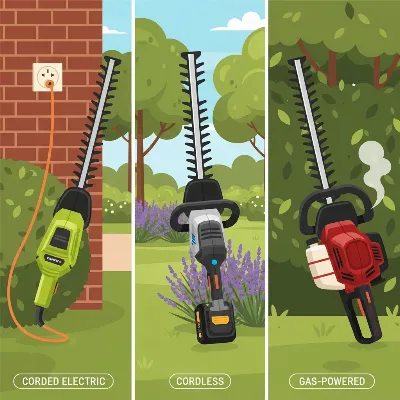 A vibrant illustration showcasing different types of hedge trimmers: a corded electric model, a cordless battery-powered model, and a gas-powered model, highlighting their distinct features and power sources.
By Blade Design
|
Our Picks for the Best Hedge Trimmer in 2026
As an Amazon Associate I earn from qualifying purchases.
|
||
| Num | Product | Action |
|---|---|---|
| 1 | Hedge Trimmer for Dewalt 20V Battery, Cordless Hedge Trimmer with 22'' Dual-Action Blade, 1600RPM, 3/5'' Cutting Width, Rotating Handle & Dual Switch Design (Battery Not Included) (Yellow) |

|
| 2 | WORX 22" Cordless Hedge Trimmer, Electric Hedge Trimmer with Dual-Action Blades, Lightweight Bush Trimmer with 4.4 LBS, Battery & Charger Not Included, WG261.9 |
|
| 3 | BLACK+DECKER 20V MAX Cordless Hedge Trimmer, Battery and Charger Included, 22 Inch Steel Blade Lightweight Bush Trimmer, Soft Grip, Less Vibration (LHT2220) |
|
| 4 | BLACK+DECKER Electric Hedge Trimmer, 16-Inch 3.0 Amp Compact Corded Power Hedge Trimmer (BEHT100) |
|
| 5 | SEESII 20V Hedge Trimmer Cordless: 20" Electric Bush Trimmer - Dual 4.0Ah Batteries, Dual-Action Blade, 0.71" Blade Gap, Rotatable Handle, Lightweight Handheld Grass Shrub Clipper for Garden Yard |
|
| 6 | BLACK+DECKER 18-Inch Electric Hedge Trimmer (BEHT200) |
|
| 7 | Cordless Hedge Trimmer 22-Inch Compatible with DEWALT 20V MAX Battery, Electric Hedge Trimmer Cordless, Bush Trimmers for Garden, Battery Powered Hedge Trimmers (Tool Only) |
|
| 8 | Hedge Trimmer for Dw 20V Battery,Hedge Trimmer Cordless with 22'' Dual-Action Blade and 3/5'' Cutting Capacity,1600RPM& Safety Lock (Battery Not Included) |
|
| 9 | BLACK+DECKER Electric Hedge Trimmer, 17-Inch Corded 3.2 Amp, Dual Action, Reduced Vibration, Cleaner Cut, Lightweight, 3800 Cuts per Min (BEHT150) |
|
| 10 | Electric Hedge Trimmer Cordless Compatible with DEWALT 20V MAX Battery, 20-Inch Cordless Hedge Trimmer, Brushless Bush Trimmer, 2/3'' Cutting Capacity, Lightweight & Rotatable Handle(No Battery) |
|
The design of a hedge trimmer’s blade affects its cutting efficiency and the types of branches it can handle.
Single-Sided Blades
Single-sided blades have cutting teeth on only one side. They are generally lighter and easier to maneuver, making them suitable for precision trimming and shaping. These are often found on smaller, lighter models.
Dual-Action Blades
Dual-action blades feature teeth on both sides of the blade, with both blades moving. This design reduces vibration, provides smoother cuts, and often allows for faster trimming as it cuts in both directions. Most modern hedge trimmers, including many budget-friendly options, utilize dual-action blades for improved user comfort and efficiency.
Rotating Blades (Articulating Heads)
Some specialized hedge trimmers, particularly pole trimmers, feature rotating or articulating heads. This allows the blade to be angled for cutting the tops or sides of hedges from various positions without needing to reposition the entire tool. While highly convenient, these features are usually found on more expensive models, typically outside the under-$100 category.
Comparison Table: Corded Electric vs. Cordless Hedge Trimmers (Under $100 Focus)
Given our focus on budget options, the primary comparison will be between corded electric models and the rare (if any) cordless options available under $100. Gas models are excluded due to their significantly higher cost.
| Feature | Corded Electric Hedge Trimmer (Typical under $100) | Cordless Hedge Trimmer (Rarely under $100) |
|---|---|---|
| Upfront Cost | Very Low ($50-$100) | High (typically $150+, difficult to find under $100 with battery) |
| Power Output | Consistent, strong (limited by motor amperage) | Good, but can fade with battery drain |
| Runtime | Unlimited (as long as plugged in) | Limited (30-60 minutes per charge, varies) |
| Mobility | Restricted by cord length | Excellent, complete freedom of movement |
| Weight | Lightweight | Heavier (due to battery) |
| Maintenance | Minimal (blade cleaning) | Battery charging, blade cleaning |
| Noise Level | Moderate to Low | Low to Moderate (especially brushless models) |
| Ideal For | Small to medium yards, hedges near power outlets | Small to medium yards (if budget allows for cordless) |
| Branch Thickness | Up to 5/8 to 3/4 inch | Up to 3/4 to 1 inch (depends on model and voltage) |
Key Criteria for Choosing a Budget Hedge Trimmer (Buying Guide)
Selecting the best hedge trimmer under $100 requires a careful evaluation of your needs against the available options. Here’s what to consider:
Determine Usage Needs
Before anything else, assess what you’ll be using the hedge trimmer for.
- Hedge Area: For small urban gardens or a few bushes, a compact, corded electric model is perfect. If you have extensive hedges stretching across a larger property, consider the reach limitations of a corded model or the battery life of a cordless one (though likely outside the budget).
- Hedge Type: Most budget trimmers are designed for light to medium-duty tasks, cutting through branches up to 5/8 to 3/4 inch thick. For very thick, woody, or overgrown hedges, a sub-$100 trimmer might struggle, leading to frustration or damage to the tool. Prioritize models with a decent tooth gap if you anticipate thicker branches.
- Frequency: For occasional trimming, a basic corded model offers great value. If you plan to trim frequently, durability and ergonomic features become more important, even within a limited budget.
Budget
Adhering to an under-$100 budget primarily directs you toward corded electric hedge trimmers. While some bare-tool cordless options might occasionally appear in this price range, they typically don’t include the necessary battery and charger, which are significant additional costs. Focus on getting the best features and performance within the corded electric category for your budget. A slightly cheaper trimmer might not last as long or perform as well on thicker hedges, so balancing cost with basic quality is key.
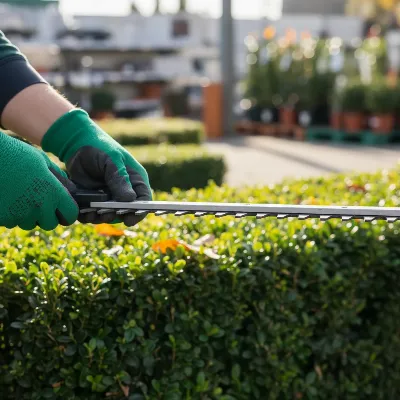 A person’s hands holding a corded electric hedge trimmer, examining the blade length and tooth gap, with a small, neatly trimmed hedge in the blurred background. The scene emphasizes the practical aspect of a buying guide.
Important Features
Even within the budget segment, certain features can significantly enhance your trimming experience.
- Blade Length: Common lengths for budget trimmers range from 16 to 22 inches. Longer blades cover more area quickly but can be harder to control for detailed work. Shorter blades offer more maneuverability, ideal for intricate shaping or tighter spaces. Choose a length that matches the size and shape of your hedges.
- Tooth Gap (Blade Spacing): This refers to the maximum diameter of branches the trimmer can cut. For budget models, expect a tooth gap between 5/8 inch and 3/4 inch. A larger gap is better for slightly thicker stems, while a smaller gap is suitable for lighter, more precise work.
- Motor Power (Amps): For corded electric models, motor power is measured in amps (A). A 3.0 to 4.0 amp motor is common and generally sufficient for most residential hedges. Higher amperage usually means more cutting power.
- Weight: Lighter trimmers reduce fatigue, especially during extended use or when reaching for higher sections of hedges. Most corded models are inherently lighter than battery or gas versions. Look for models under 6-7 pounds for comfortable handling.
- Safety Features: Always prioritize safety. Look for features like a two-handed start mechanism (prevents accidental activation), a large handguard (protects your hands from debris), and a cord retention system (for corded models, prevents accidental unplugging).
- Convenience Features: While rare in sub-$100 models, some might offer ergonomic grips, anti-vibration systems (to reduce hand fatigue), or even a rotating rear handle for comfortable vertical and horizontal cutting. These features add to comfort and ease of use.
Top Budget Hedge Trimmers Under $100
Finding hedge trimmers truly under $100 that offer good performance often means focusing on corded electric models. Here are a few types and examples that consistently offer great value in this price range:
-
BLACK+DECKER Electric Hedge Trimmer (e.g., BEHT100 or BEHT150 Series): Black+Decker is a reliable brand known for affordable, effective tools. Their 16-inch or 17-inch electric hedge trimmers (like the BEHT100 or BEHT150) are frequently available under $100. They typically feature lightweight designs, dual-action blades for reduced vibration, and a decent cutting capacity for small to medium hedges. These are excellent for basic yard maintenance and beginners.
-
Greenworks Corded Electric Hedge Trimmer (e.g., 22102 Series): Greenworks offers a range of environmentally friendly and budget-conscious tools. Their 18-inch or 22-inch corded electric hedge trimmers, often with a 3.0 to 4.0 amp motor, are popular choices. They are lauded for being compact, lightweight, and effective for maintaining average hedges. Features like a safety switch and a cord lock are common, enhancing user experience and safety.
-
Sun Joe Electric Hedge Trimmer (e.g., HJ220E or HJ15E Series): Sun Joe is another brand that frequently delivers value at lower price points. Their 22-inch electric hedge trimmers are often praised for their powerful motors (e.g., 3.5 amps), instant-start functionality, and rust-resistant, pre-hardened steel blades. These are great for small to medium hedges and bushes, offering a good balance of power and ease of use for the price.
-
Craftsman Corded Electric Hedge Trimmer (e.g., CMEHTS8022): Craftsman, a long-standing tool brand, also offers entry-level corded electric models that can fall under $100. These trimmers are known for their user-friendliness, effectiveness for small projects, and sometimes include a “powersaw tip” feature for tackling slightly thicker branches. They are a solid, no-frills option for homeowners.
These models consistently appear in the budget segment and provide the necessary power and cutting ability for most residential hedge trimming tasks within the $100 limit.
How to Use and Maintain Your Hedge Trimmer
Proper use and regular maintenance are crucial for both your safety and the longevity of your budget hedge trimmer.
Safety When Using
Always prioritize safety when operating any power tool.
- Wear Protective Gear: Always wear safety glasses or goggles to protect your eyes from flying debris. Gloves are essential for grip and to protect your hands, and sturdy shoes are recommended. If your hedge trimmer is particularly noisy, ear protection is also advised.
- Inspect Before Use: Before each use, check the hedge trimmer for any damage, loose parts, or frayed cords (for electric models). Ensure blades are clean and sharp.
- Maintain Proper Posture: Hold the hedge trimmer with both hands, maintaining a stable stance. Avoid overreaching, which can lead to loss of balance or control. Keep the cord clear of the cutting path for corded models.
- Be Aware of Your Surroundings: Ensure no one, especially children or pets, is in the immediate vicinity of your work area. Be mindful of hidden obstacles within the hedge, like wires or old fence posts, which can damage blades.
- Handle Emergencies: Know how to quickly turn off the machine. If the blade jams, immediately release the trigger and unplug the tool before attempting to clear the obstruction.
Regular Maintenance
A little care goes a long way in keeping your hedge trimmer in top condition.
- Clean Blades After Each Use: Sap and debris can build up on blades, reducing cutting efficiency and promoting rust. Use a stiff brush or a damp cloth to clean the blades. For stubborn residue, specialized blade cleaners or a light solvent can be effective.
- Lubricate Blades: After cleaning, apply a light coat of lubricant (like machine oil or silicone spray) to the blades. This prevents rust, reduces friction, and keeps the blades moving smoothly.
- Check and Sharpen Blades: Over time, blades can become dull, making cuts less precise and forcing the motor to work harder. If you notice tearing instead of clean cuts, it might be time to sharpen the blades or have them professionally sharpened.
- Inspect for Wear and Tear: Regularly check all components, including the housing, handles, and power cord (if applicable), for signs of wear, cracks, or damage. Replace any worn or damaged parts promptly.
- Proper Storage: Store your hedge trimmer in a clean, dry place, away from extreme temperatures and moisture. Ensure the blade cover is in place to protect the blades and prevent accidental injury.
Following these guidelines will help ensure safe operation and extend the lifespan of your budget hedge trimmer, allowing you to enjoy a beautiful garden for years to come.
Conclusion
Choosing the best budget hedge trimmer under $100 means making smart choices that align with your gardening needs and financial constraints. While high-end cordless models offer ultimate freedom, corded electric hedge trimmers consistently prove to be the most practical and efficient option within this price bracket. They provide reliable power, are lightweight, and require minimal maintenance, making them ideal for small to medium-sized gardens and regular upkeep.
By carefully considering factors like blade length, tooth gap, motor power, and crucial safety features, you can find a fantastic tool that delivers crisp, clean cuts without breaking the bank. Brands like BLACK+DECKER, Greenworks, Sun Joe, and Craftsman offer excellent value in the corded electric category, providing dependable performance for everyday hedge trimming tasks. With the right budget hedge trimmer, maintaining a beautiful, manicured garden is not just achievable, but surprisingly easy. What kind of hedges are you hoping to transform this season?
Frequently Asked Questions
What kind of hedges can a budget hedge trimmer under $100 handle?
Budget hedge trimmers, typically corded electric models, are best suited for small to medium-sized hedges and shrubs with branches up to 5/8 to 3/4 inch in thickness. They excel at routine maintenance and shaping of softer, newer growth, but may struggle with very dense, woody, or overgrown hedges.
Are cordless hedge trimmers available for under $100?
It is very challenging to find a new, quality cordless hedge trimmer that includes both the tool and a battery/charger for under $100. While some bare tools might occasionally drop into this range, the battery and charger typically add significant cost, pushing the total investment well above $100. Corded electric models are the primary option in this budget.
How long do corded electric hedge trimmers last?
With proper care and maintenance, including regular blade cleaning and lubrication, a good quality corded electric hedge trimmer can last for many years. Their simple design, without batteries that degrade or complex engines, often contributes to a longer lifespan when used appropriately for their intended tasks.
Is a longer blade better for a budget hedge trimmer?
Not necessarily. While a longer blade (e.g., 20-22 inches) can cover more area quicker, it can also make the trimmer heavier and harder to control, especially for detailed work or if you’re new to using one. For most home gardeners, a blade length between 16 and 18 inches offers a good balance of reach and maneuverability for small to medium hedges.
What are the most important safety features to look for?
The most crucial safety features on any hedge trimmer are a two-handed start mechanism, which prevents accidental activation, and a large handguard that shields your hands from the cutting blades and flying debris. For corded models, a cord retention system is also important to prevent accidental unplugging during operation.
Frequently Asked Questions
What kind of hedges can a budget hedge trimmer under $100 handle?
Budget hedge trimmers, typically corded electric models, are best suited for small to medium-sized hedges and shrubs with branches up to 5/8 to 3/4 inch in thickness. They excel at routine maintenance and shaping of softer, newer growth, but may struggle with very dense, woody, or overgrown hedges.
Are cordless hedge trimmers available for under $100?
It is very challenging to find a new, quality cordless hedge trimmer that includes both the tool and a battery/charger for under $100. While some bare tools might occasionally drop into this range, the battery and charger typically add significant cost, pushing the total investment well above $100. Corded electric models are the primary option in this budget.
How long do corded electric hedge trimmers last?
With proper care and maintenance, including regular blade cleaning and lubrication, a good quality corded electric hedge trimmer can last for many years. Their simple design, without batteries that degrade or complex engines, often contributes to a longer lifespan when used appropriately for their intended tasks.
Is a longer blade better for a budget hedge trimmer?
Not necessarily. While a longer blade (e.g., 20-22 inches) can cover more area quicker, it can also make the trimmer heavier and harder to control, especially for detailed work or if you're new to using one. For most home gardeners, a blade length between 16 and 18 inches offers a good balance of reach and maneuverability for small to medium hedges.
What are the most important safety features to look for?
The most crucial safety features on any hedge trimmer are a two-handed start mechanism, which prevents accidental activation, and a large handguard that shields your hands from the cutting blades and flying debris. For corded models, a cord retention system is also important to prevent accidental unplugging during operation.
How to Use and Maintain Your Budget Hedge Trimmer
Proper use and regular maintenance are crucial for both your safety and the longevity of your budget hedge trimmer, ensuring it performs effectively for years.
Always wear safety glasses or goggles, gloves, and sturdy shoes before operating. Inspect the hedge trimmer for any damage, loose parts, or frayed cords, ensuring blades are clean and sharp.
Hold the hedge trimmer with both hands, maintaining a stable stance, and avoid overreaching. Keep the cord clear of the cutting path for corded models and be aware of your surroundings, including people, pets, and hidden obstacles.
After each use, clean sap and debris from the blades using a stiff brush or damp cloth. For stubborn residue, use specialized blade cleaners or a light solvent to maintain cutting efficiency and prevent rust.
Apply a light coat of lubricant (like machine oil or silicone spray) to the blades after cleaning to prevent rust and reduce friction. If cuts become less precise, consider sharpening the blades yourself or having them professionally sharpened.
Regularly check all components for signs of wear, cracks, or damage, and replace worn parts promptly. Store your hedge trimmer in a clean, dry place, away from extreme temperatures and moisture, with the blade cover in place.

I got the Sun Joe trimmer, and while it does the job for light trimming, I found the blade length a bit short for my taller hedges. It means I have to stretch more, which can be a bit tiring. For smaller bushes, it’s perfectly fine and the price was right, but I might consider a longer blade next time even if it costs a bit more.
I was skeptical about finding a good hedge trimmer under $100, but the BLACK+DECKER model mentioned here proved me wrong. It handles my medium-sized garden hedges with no problem. The corded aspect isn’t ideal for mobility, but for the price, you can’t beat the power and how easy it is to maintain. Great value for homeowners.
I picked up the Greenworks corded electric model after reading about it here, and it’s been fantastic for my small backyard. It’s super lightweight, which is a huge plus because my old one was a beast. The consistent power really makes a difference when I’m tackling thicker branches on my privet hedge. Definitely recommend it if you’re looking for something reliable and affordable.
This guide was spot on about corded electric models being the best bet for under $100. I’ve always used cordless, but the battery life and cost were getting ridiculous. My new Craftsman has consistent power and I don’t have to worry about charging. It’s made my hedge trimming so much less of a hassle.