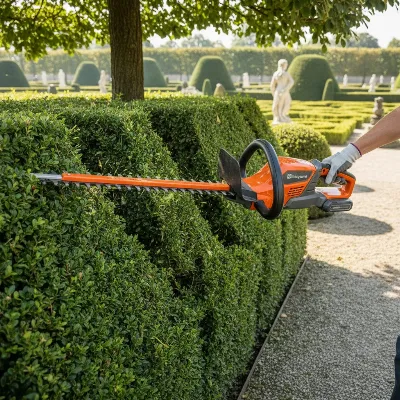
Hedge trimmers are indispensable tools for maintaining a pristine garden, but their effectiveness can quickly diminish when blades become caked with sticky tree sap. This resinous buildup not only dulls the cutting edge but also puts undue strain on your machine, potentially leading to costly repairs and a shortened lifespan. Fortunately, removing sap from your hedge trimmer blades doesn’t require professional intervention; a few simple DIY methods can restore your tool to its optimal condition, ensuring cleaner cuts and healthier hedges. This guide will walk you through quick and effective cleaning techniques, essential safety precautions, and preventative measures to keep your blades sap-free.
Understanding Sap and Its Impact on Hedge Trimmers
Tree sap is a sticky, viscous fluid that plants produce, comprising sugars, minerals, and hormones crucial for their growth and repair. While vital for plant life, this natural substance becomes a significant nuisance when it adheres to your hedge trimmer blades. As you cut through foliage, sap residues accumulate, acting like glue that binds the blades together. This buildup increases friction, forcing the motor to work harder and leading to reduced cutting efficiency, slower operation, and an uneven finish on your hedges. Left unaddressed, sap can also attract more dirt and debris, accelerate corrosion, and cause blades to overheat, ultimately shortening the life of your valuable garden tool. Regular and prompt cleaning is therefore paramount for maintaining peak performance and longevity.
Essential Tools and Safety Precautions
Before you begin cleaning, gathering the right tools and prioritizing safety is crucial. Handling sharp blades and potentially harsh cleaning agents requires careful preparation to prevent injury. Always ensure you have the following on hand:
- Protective Gear: Heavy-duty gloves (non-slip) and safety glasses are essential to protect your hands from sharp blades and your eyes from debris or cleaning solution splashes.
- Brushes: A soft-bristled brush (like an old paintbrush) is ideal for removing loose debris and scrubbing away sap without damaging the blades.
- Scraper: A plastic putty knife or a non-abrasive scraper can help remove large, stubborn clumps of sap without scratching the metal. Avoid using metal tools.
- Cloths: Several clean, dry cloths or microfiber towels will be needed for wiping, applying cleaners, and drying.
- Cleaning Solutions: As detailed in the next section, various DIY solutions can dissolve sap.
- Lubricant: A specialized blade lubricant or light machine oil for garden tools is vital for post-cleaning maintenance.
The most critical safety step is to completely disable your hedge trimmer before any cleaning or maintenance. For electric models, unplug the power cord. For cordless trimmers, remove the battery pack or activation key. If you have a petrol model, remove the spark plug. This prevents any accidental startup, which could lead to severe injury. Work on a stable, flat surface with good lighting to clearly see the blades and avoid mishaps.
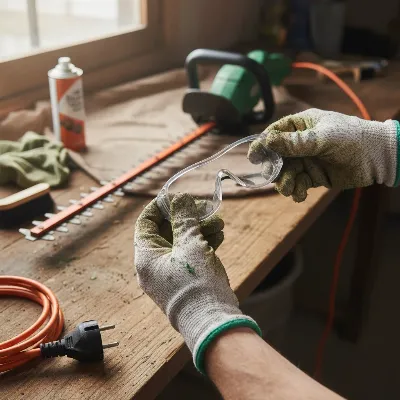 Gardener wearing safety glasses and gloves, preparing to clean hedge trimmer blades.
DIY Methods for Removing Sap from Hedge Trimmer Blades
When sticky sap has your hedge trimmer blades bound, several household items and dedicated solutions can come to the rescue. Choosing the right method often depends on the severity of the sap buildup.
The Power of Rubbing Alcohol (Isopropyl Alcohol)
|
Our Picks for the Best Hedge Trimmer in 2026
As an Amazon Associate I earn from qualifying purchases.
|
||
| Num | Product | Action |
|---|---|---|
| 1 | Electric Hedge Trimmer Cordless Compatible with DEWALT 20V MAX Battery, 20-Inch Cordless Hedge Trimmer, Brushless Bush Trimmer, 2/3'' Cutting Capacity, Lightweight & Rotatable Handle(No Battery) |

|
| 2 | Hedge Trimmer for Dewalt 20V Battery, Cordless Hedge Trimmer with 22'' Dual-Action Blade, 1600RPM, 3/5'' Cutting Width, Rotating Handle & Dual Switch Design (Battery Not Included) (Yellow) |
|
| 3 | Cordless Hedge Trimmer 22-Inch Compatible with DEWALT 20V MAX Battery, Electric Hedge Trimmer Cordless, Bush Trimmers for Garden, Battery Powered Hedge Trimmers (Tool Only) |
|
| 4 | SEESII 20V Hedge Trimmer Cordless: 20" Electric Bush Trimmer - Dual 4.0Ah Batteries, Dual-Action Blade, 0.71" Blade Gap, Rotatable Handle, Lightweight Handheld Grass Shrub Clipper for Garden Yard |
|
| 5 | BLACK+DECKER 18-Inch Electric Hedge Trimmer (BEHT200) |
|
| 6 | BLACK+DECKER 20V MAX Cordless Hedge Trimmer, Battery and Charger Included, 22 Inch Steel Blade Lightweight Bush Trimmer, Soft Grip, Less Vibration (LHT2220) |
|
| 7 | BLACK+DECKER Electric Hedge Trimmer, 16-Inch 3.0 Amp Compact Corded Power Hedge Trimmer (BEHT100) |
|
| 8 | WORX 22" Cordless Hedge Trimmer, Electric Hedge Trimmer with Dual-Action Blades, Lightweight Bush Trimmer with 4.4 LBS, Battery & Charger Not Included, WG261.9 |
|
| 9 | BLACK+DECKER Electric Hedge Trimmer, 17-Inch Corded 3.2 Amp, Dual Action, Reduced Vibration, Cleaner Cut, Lightweight, 3800 Cuts per Min (BEHT150) |
|
| 10 | Hedge Trimmer for Dw 20V Battery,Hedge Trimmer Cordless with 22'' Dual-Action Blade and 3/5'' Cutting Capacity,1600RPM& Safety Lock (Battery Not Included) |
|
Rubbing alcohol is a highly effective solvent for dissolving many types of plant sap and resin. Its ability to break down sticky residues makes it a popular choice for tool cleaning. Simply dampen a clean cloth with isopropyl alcohol (70% concentration or higher is ideal) and wipe down the affected blades. For tougher spots, you can let the alcohol soak for a few minutes before scrubbing gently with a soft brush. Alcohol also acts as a disinfectant, sterilizing your blades and helping to prevent the spread of plant diseases.
WD-40 and Penetrating Oils
While traditional WD-40 is not recommended for removing heavy sap buildup as it can make it stickier, the WD-40 Specialist Lawn & Garden Spray is formulated for garden tools and can help loosen sap and provides rust protection. Other penetrating oils can also assist in breaking down sticky resins. Apply a small amount to the blades, let it sit for a few minutes, then wipe and brush away the loosened sap. Always ensure to wipe off any residue thoroughly to prevent it from attracting more dirt.
Dish Soap and Warm Water
For lighter sap residue or for a general clean after each use, a simple solution of mild dish soap and warm water can be surprisingly effective. Mix a small amount of dish soap with warm water, dip a cloth, and carefully wipe down the blades. Holding the tool with blades facing downward helps prevent water from entering the motor. This method is excellent for routine cleaning but might not be strong enough for heavily caked-on sap.
Vinegar Solution
White vinegar, with its mild acidity, can help loosen some light sap. While not as potent as a citrus solvent, it can be a natural alternative for less stubborn residues. Dilute white vinegar with an equal part of water, apply it to the blades, allow it to sit for a short period, then scrub and wipe clean. Use vinegar sparingly and ensure thorough drying afterward to avoid any potential long-term effects on the blade’s finish.
Specialized Blade Cleaners
For persistent sap and resin, consider investing in a dedicated hedge trimmer blade cleaner or resin solvent. Products like STIHL Superclean or citrus-based solvents are specifically designed to dissolve sticky plant residues while often providing corrosion protection and lubrication. These cleaners are highly effective, easy to use, and formulated to be safe for your tool’s components. Apply according to the product instructions, usually by spraying directly onto the blades and allowing it to soak before wiping clean.
Step-by-Step Cleaning Process
Cleaning your hedge trimmer blades systematically ensures thorough sap removal and proper maintenance. Follow these steps for best results:
- Safety First: Ensure your hedge trimmer is completely powered off and disabled. Unplug electric models, remove the battery from cordless ones, or pull the spark plug from petrol models. Don your safety glasses and protective gloves.
- Remove Loose Debris: Use a soft-bristled brush to sweep away any leaves, twigs, and loose dirt from the blades and housing. This initial step prevents small particles from scratching the blades during cleaning.
- Scrape Off Heavy Sap: If there are large, hardened clumps of sap, gently use a plastic putty knife to scrape them off. Work carefully to avoid damaging the blade surface. Avoid using metal tools.
- Apply Your Chosen Cleaner: Spray or apply your selected DIY solution (rubbing alcohol, WD-40 Specialist, dish soap, vinegar, or a dedicated resin solvent) generously to both sides of the blades. For thick sap, allow the cleaner to penetrate for a few minutes, giving it time to break down the sticky residue.
- Scrub and Wipe: With the cleaner softened, use your soft brush to scrub away the dissolved sap and grime. Follow up with a clean cloth, wiping the blades thoroughly. You may need to repeat the application and scrubbing for extremely stubborn areas.
- Rinse (If Applicable) and Dry: If you used a water-based cleaner like dish soap, check your user manual to see if rinsing is recommended. If so, rinse the blades carefully, holding the tool downwards to prevent water from entering the motor. Otherwise, wipe down with a damp cloth. Most importantly, ensure the blades are completely dry using a clean, dry cloth to prevent rust. Air drying can also be beneficial.
- Lubricate: Once the blades are bone dry, apply a specialized blade lubricant or a light machine oil along the entire length of the cutting edge and between the teeth. This step is critical to reduce friction, protect against rust, and ensure smooth operation. Briefly run the trimmer (for just a second or two) to distribute the lubricant evenly across all moving parts.
> “Consistent blade cleaning and lubrication are the unsung heroes of hedge trimmer maintenance. They not only extend your tool’s life but drastically improve its performance and safety.” – ReviewsRain.com Admin, Hedge Trimmer Technician
Post-Cleaning Care and Prevention
Maintaining clean, sharp hedge trimmer blades goes beyond just removing sap; it involves consistent post-cleaning care and proactive prevention strategies. Taking a few extra moments after each use can significantly prolong your tool’s life and ensure optimal performance.
After cleaning and drying, always lubricate the blades thoroughly. Lubrication reduces friction between the moving blades, preventing premature wear and tear, and creating a protective barrier against moisture and corrosion. Use a product specifically designed for garden tools, such as a multi-purpose oil, silicone spray, or a specialized blade lubricant. Apply a thin, even coat, then briefly run the trimmer to ensure the lubricant is evenly distributed.
Preventing sap buildup is often easier than removing it. The most effective preventative measure is to clean your hedge trimmer blades after every use. Even a quick wipe-down with a damp cloth or a spray of resin solvent can remove fresh sap before it hardens. Some gardeners find it helpful to spray their blades with a non-stick lubricant or a cooking oil spray before trimming, as this can create a barrier that makes sap less likely to adhere and easier to wipe off later. Storing your hedge trimmer in a dry, protected place, ideally with a blade guard, also helps prevent dust and moisture accumulation, which contribute to rust and blade dullness.
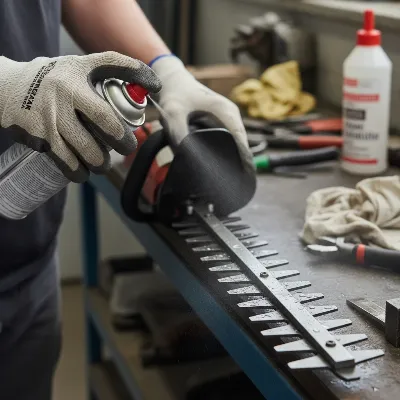 Person applying lubricant to hedge trimmer blades after cleaning for protection.
Common Mistakes to Avoid
While cleaning hedge trimmer blades is straightforward, certain missteps can lead to damage or reduce the effectiveness of your efforts. Being aware of these common mistakes can save you time and prevent unnecessary wear on your tool.
Firstly, never skip the safety precautions. Operating or cleaning a hedge trimmer without disconnecting the power source (battery removed, cord unplugged, spark plug out) is extremely dangerous and can lead to severe injury. Always wear appropriate personal protective equipment, including gloves and safety glasses.
Secondly, avoid using abrasive materials like steel wool, sandpaper, or harsh scouring pads to remove sap. These materials can scratch the blade’s surface, creating microscopic imperfections where rust can easily form and further dulling the cutting edge. Stick to soft brushes, cloths, and plastic scrapers.
A common misconception is that regular WD-40 is a good sap remover or lubricant. While the specialist Lawn & Garden spray is different, the original WD-40 is not effective for sap removal and can even make sap stickier over time. It also isn’t designed as a long-term lubricant for hedge trimmer blades. Opt for dedicated blade lubricants or specialized resin solvents instead.
Finally, don’t delay cleaning. Fresh sap is much easier to remove than hardened, dried-on residue. Cleaning your blades immediately after each use prevents sap from bonding firmly to the metal, making the task quicker and more efficient. Neglecting to lubricate after cleaning is another oversight; without lubrication, the blades will experience increased friction, leading to premature wear and reduced cutting performance.
Conclusion
Keeping your hedge trimmer blades clean and free of sap is not just about aesthetics; it’s a critical maintenance practice that ensures your tool operates efficiently, delivers clean cuts, and enjoys a longer lifespan. By following simple DIY methods—from utilizing household staples like rubbing alcohol and dish soap to specialized resin solvents—you can quickly dissolve sticky sap and restore your blades to their optimal condition. Always prioritize safety by disconnecting power and wearing protective gear. Remember that consistent post-cleaning lubrication and a proactive approach to cleaning after every use are your best defenses against future sap buildup and corrosion.
What’s your go-to quick cleaning trick for sticky hedge trimmer blades? Share your insights and help fellow gardeners keep their tools in top shape!
Câu Hỏi Thường Gặp
How often should I clean sap off my hedge trimmer blades?
Ideally, you should clean your hedge trimmer blades after every use to prevent sap from hardening and becoming more difficult to remove. For quick cleanups, a simple wipe with warm soapy water or a spray of resin solvent is usually sufficient.
Can I use oven cleaner to remove sap from hedge trimmer blades?
No, oven cleaner is generally too harsh for Hedge Trimmer blades. It contains strong chemicals that can damage the blade’s finish, cause discoloration, and potentially lead to corrosion. Stick to specialized blade cleaners, rubbing alcohol, or citrus-based solvents for sap removal.
Is it necessary to lubricate blades after cleaning?
Yes, lubricating your blades after cleaning is essential. It reduces friction between the blades, ensures smooth operation, and creates a protective barrier against rust and corrosion. Skipping this step can lead to increased wear, dullness, and a shorter tool lifespan.
What kind of lubricant should I use for hedge trimmer blades?
Use a specialized blade lubricant, a light machine oil designed for garden tools, or a silicone spray. These products are formulated to protect and lubricate metal parts effectively. Avoid using standard WD-40 as a lubricant for the blades.
How can I prevent sap from building up on my blades during use?
To prevent sap buildup, clean your blades immediately after each trimming session. Some gardeners also spray their blades with a non-stick lubricant or a plant-based oil before use, which can create a barrier that makes sap less likely to stick and easier to remove.
Does cleaning my blades make them sharper?
While cleaning blades removes residue that hinders their performance, it doesn’t technically sharpen them. Clean blades will cut more effectively because they are free from binding sap, reducing friction. For actual sharpening, you’ll need a file or a sharpening tool.
Can I use a wire brush to clean stubborn sap?
No, avoid using wire brushes or other abrasive materials like steel wool or sandpaper. These can scratch the blade’s surface, making it more prone to rust and dulling the cutting edge. Opt for soft-bristled brushes or plastic scrapers instead.