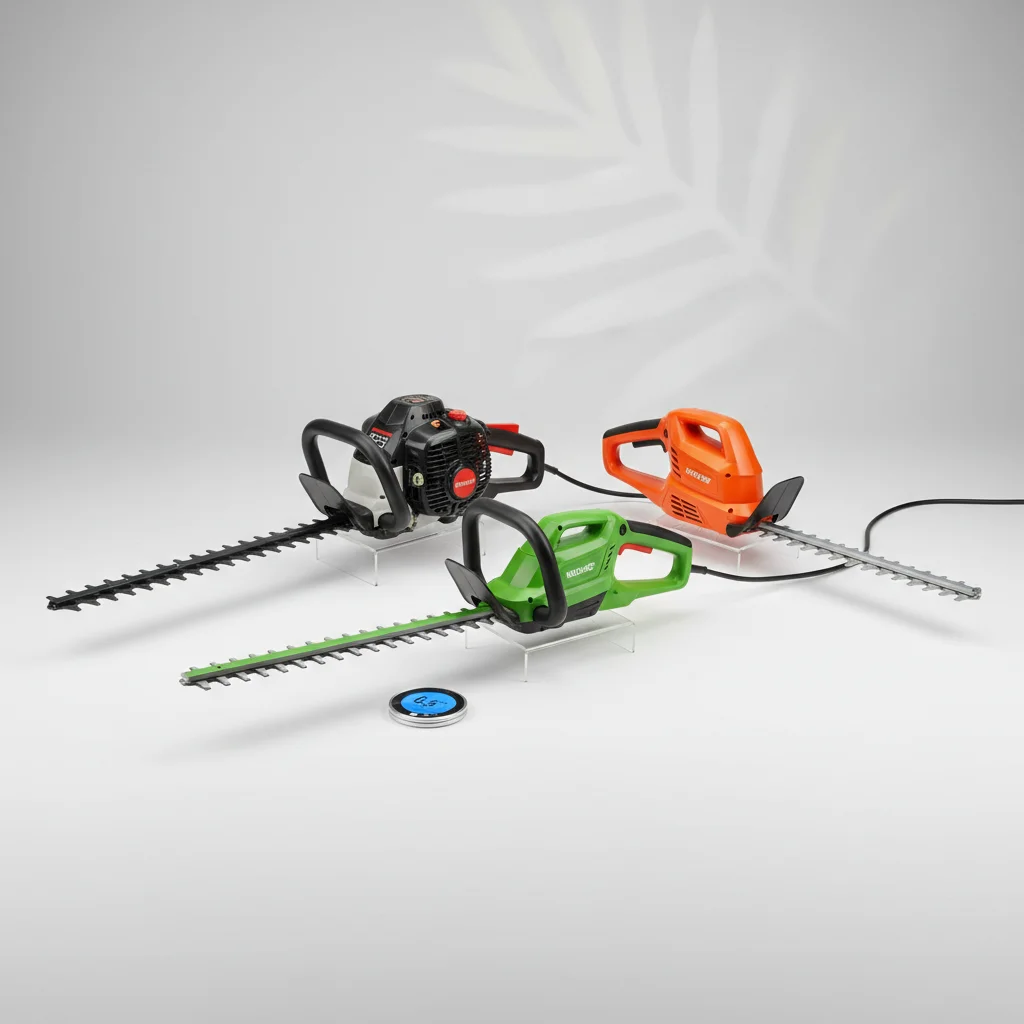
When considering a new hedge trimmer, its weight is a critical factor that directly impacts user comfort, maneuverability, and overall fatigue during extended use. While a lighter hedge trimmer often translates to easier handling and less strain, the ideal weight depends significantly on the user’s physical strength, the size and type of hedges being trimmed, and the duration of the task. For most residential users, a hedge trimmer weighing between 7 to 10 pounds strikes a good balance between power and manageability, offering sufficient cutting capability without excessive arm fatigue.
Understanding the Impact of Hedge Trimmer Weight
The weight of a hedge trimmer isn’t just a number; it’s a key determinant of your trimming experience. A heavier unit, typically gas-powered or those with larger batteries, can offer more power and a longer run time, making them suitable for extensive, demanding jobs. However, this comes at the cost of increased physical exertion. Conversely, lighter models, often electric or smaller battery-powered units, are perfect for quick touch-ups and smaller gardens, reducing the risk of muscle strain and allowing for more precise control.
Consider the ergonomics of the trimmer in relation to its weight. A well-balanced heavy trimmer might feel more manageable than a poorly balanced lighter one. Always test the balance if possible, or read reviews that specifically address this aspect. The distribution of weight is just as important as the total weight itself, especially when reaching for high branches or trimming at awkward angles.
Factors Influencing Optimal Hedge Trimmer Weight
Several factors should guide your decision on the optimal hedge trimmer weight. First, your physical strength and endurance are paramount. If you have limited upper body strength or plan on trimming for long periods, a lighter model is advisable. Second, the size and density of your hedges play a role. Thicker, more mature hedges might require a more robust, potentially heavier, trimmer with a powerful motor and longer blades. However, for routine maintenance of smaller, ornamental shrubs, a lightweight option is perfectly adequate.
Third, consider the frequency of use. If you trim hedges weekly, investing in a lightweight, comfortable model will save you from cumulative fatigue. For occasional use, a slightly heavier, more powerful model might be acceptable if it offers superior performance for your specific needs. Lastly, the type of power source significantly impacts weight; corded electric models are generally the lightest, followed by battery-powered, and then gas-powered trimmers.
- User Strength and Endurance: Lighter models reduce fatigue for prolonged use or users with less strength.
- Hedge Size and Density: Larger, denser hedges may benefit from slightly heavier, more powerful trimmers.
- Frequency of Use: Frequent users benefit most from lightweight, ergonomic designs.
- Power Source: Corded electric hedge trimmers are typically the lightest.
- Blade Length and Material: Longer blades and durable materials can add to the overall weight.
The Trade-Off: Weight vs. Power and Features
There’s often a direct correlation between a hedge trimmer’s weight and its power output or included features. Heavier trimmers tend to house more powerful engines or larger battery packs, enabling them to tackle tougher jobs with greater efficiency. They might also come with longer blades, wider cutting capacities, or advanced anti-vibration systems, all of which add to the overall weight.
Conversely, lightweight models prioritize ease of use and maneuverability. While they might not have the raw power to cut through very thick branches, they excel at precision trimming and shaping. The key is to find a balance that meets your specific gardening needs without overspending on features you won’t use or sacrificing comfort for unnecessary power. For many homeowners, a mid-range weight trimmer offers the best of both worlds.
Making the Right Choice for Your Garden
Ultimately, the

I used to dread trimming my hedges because my old gas trimmer was so heavy. After reading about the ideal weight for residential users, I decided to upgrade to one in the 7-10 pound range. What a difference! My arms don’t ache anymore, and I can actually finish the whole yard without needing a break. It’s made yard work so much more enjoyable.
I bought a new hedge trimmer that was advertised as lightweight, around 6 pounds, hoping it would be easier on my back. It is light, which is great, but I’ve noticed it struggles a bit with thicker branches. I have to go over them a few times, which kinda defeats the purpose of saving time. Maybe I should have aimed for something a little heavier for my type of hedges.
I’ve always gone for the most powerful hedge trimmers, thinking heavier meant better. But after a few hours, my shoulders would be killing me. I tried a lighter electric model this season, and while it doesn’t have quite the same brute force as my old gas one, the maneuverability is fantastic. It’s perfect for the smaller, more intricate shaping I do around the garden.
This is spot on! I’ve learned the hard way that a heavier unit, especially with a big battery, can really wear you out on a long trimming day. For my large property, I actually have two trimmers now: a powerful, heavier one for the big jobs and a super light one for quick touch-ups. It’s all about matching the tool to the task and your own strength.